
October 6, 2026
When Sydneysiders sit down at a blackjack table online, the insurance prompt usually pops up before the second card lands. Plenty of punters tap “Yes” on instinct, defo unsure what they have just bought. This walkthrough traces how players actually meet that side bet on modern casino sites, from the moment a hand is dealt to the cash-out screen, and asks whether the wager is worth its price tag in plain practice.
Finding the Insurance Wager in the Lobby
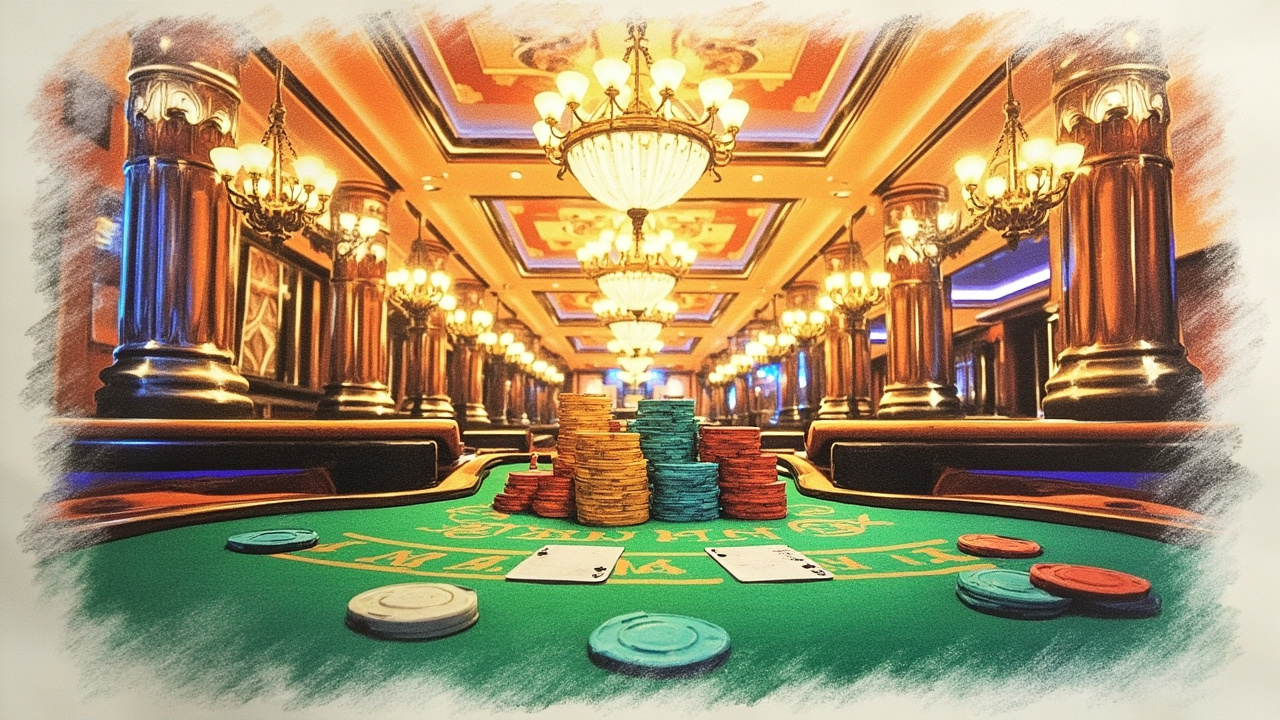
Most offshore platforms funnel blackjack into a single, image-heavy lobby, and insurance is tagged as a side bet rather than the main headline. On a polished site, the blackjack card sits alongside roulette and baccarat in a horizontal carousel, and tapping it opens a sub-lobby where variants are sorted by provider and table limit. Aussie players will often look for the AUD toggle first; a small flag in the header tells them whether the site is localising at all. Brokering platform rollouts across borders has taught me the AUD toggle is the quickest tell of an Australian-friendly site. Search bars do the heavy lifting once you know what you want, and better ones return matches for “blackjack insurance” or “side bets” instead of every title.
Players who want to audition a new site can scan the lobby at royalreelsfree10.com and check the AUD toggle before depositing a cent. The insurance toggle itself is rarely a grand banner. It usually lives as a checkbox or chip beneath the main bet circle, sometimes greyed out and only lighting up when the dealer’s upcard is an ace. That subtle presentation is deliberate: a flashing call-to-action would push players toward a wager carrying a house edge north of 7 per cent. Lucas Stewart, Head of Public Relations at Sunburnt Country Interactive, calls the dimmed chip one of the few design choices platforms get right. “A chip that lights up only when it is genuinely available slows the call down,” he says, “and that is the point of keeping it optional.”
Reading the Table When the Ace Hits
The dealer flips an ace, a small insurance banner rises beside the betting circle, and the player has roughly ten seconds to decide. On live dealer tables, the prompt arrives in a clean overlay with the stake pre-filled at half the original wager, while RNG variants let you tick a box before the deal and forget about it. A locked-in side bet runs every hand, while a prompted bet runs only on aces. The maths underneath does not shift. The table below shows the typical on-screen offer across the rule sets players in Sydney will stumble across most often.
| Rule set | Side-bet trigger | On-screen cost | Payout if dealer has BJ | Typical house edge |
|---|---|---|---|---|
| 6-deck, dealer stands 17 | Ace upcard | 50% of stake | 2:1 | ~7.4% |
| 8-deck, dealer hits soft 17 | Ace upcard | 50% of stake | 2:1 | ~7.8% |
| Single deck, dealer stands 17 | Ace upcard | 50% of stake | 2:1 | ~5.8% |
| Live dealer (8-deck standard) | Ace upcard | 50% of stake | 2:1 | ~7.8% |
A clean overlay that names the wager, the cost, and the payout in plain English is doing more for the player than any bonus ever will. The same screen that names the house edge next to the payout is the quietest design win around. Brokering side-bet disclosures between European and Asian platform providers has shown me that the cleanest disclaimers come from studios that treat the bet as a product, not a hook. Players weighing side bets across formats will often check daily baccarat tournament play on the same page before deciding where to park their AUD, and the same instinct applies to insurance. The next Melbourne Cup carnival pours billions into Australian betting accounts each spring, and a fair slice of those punters drift toward table games when the races go quiet. None of that shifts the edge, but it does change how tempting the chip looks when the cashier balance is fresh and the arvo is long.
Holding the Bet on Mobile and at the Live Table
The insurance prompt now lives in most Australians’ pockets, and the interface has tightened up because of it. In-play sports betting exploded thanks to smartphones and fast data feeds, and the same pressure rebuilt casino blackjack tables for one-handed use. Betting circles are larger and the insurance chip is pinned to the thumb zone, so the “No” button sits within thumb’s reach of the “Yes” and the default action is a real choice. Curved screens and ergonomic seats extend time on device at home, but on the train into Wynyard or queued at the bottle-o, a clean two-tap flow is what separates a polished site from a clunky one.
Live tables lean on a different layout. A small camera feed takes the top half of the screen, the betting grid sits beneath, and the insurance prompt appears as a modal with a countdown timer. Better platforms translate the timer into a soft pulse rather than a flashing colour, keeping eyes on the dealer. Payments feed the whole loop: Amelia Collins, Payments Strategy Director at the Blue Gum Gaming Council, notes that AUD deposits and instant withdrawals quietly shape how long players linger on a hand. “If a top-up takes thirty seconds and a cash-out takes the same, the player stops treating the table like a chore,” she says. “Insurance gets a fairer hearing when the rest of the journey is frictionless.” Support chat, usually behind a question mark, answers the residual question – even vs money – without dragging the player from the shoe.
Online blackjack insurance is a textbook example of a side bet that looks safer than the maths. A clean interface names the cost, the trigger, and the payout without dressing it up, and that is the version of the wager worth meeting. Anything flashing, auto-on, or hidden in a sub-menu is the cue to leave the chip alone and play the hand as dealt.
